
Transitioning your furry friend from a Cockapoo puppy to dog can be one of the most rewarding yet challenging experiences of pet ownership. Cockapoos, a delightful mix of Cocker Spaniel and Poodle, are known for their friendly disposition and affectionate nature. However, as they grow, their needs evolve, and understanding how to guide them through this transformation is crucial. In this comprehensive guide, we will explore essential aspects such as training, socialization, and nutrition to help you raise a well-mannered and happy Cockapoo. Whether you are a first-time dog owner or looking to refine your skills, our insights will ensure a smooth and enjoyable journey for both you and your beloved pet. Let’s embark on this exciting adventure together!
Understanding the Cockapoo Breed
Characteristics of Cockapoos
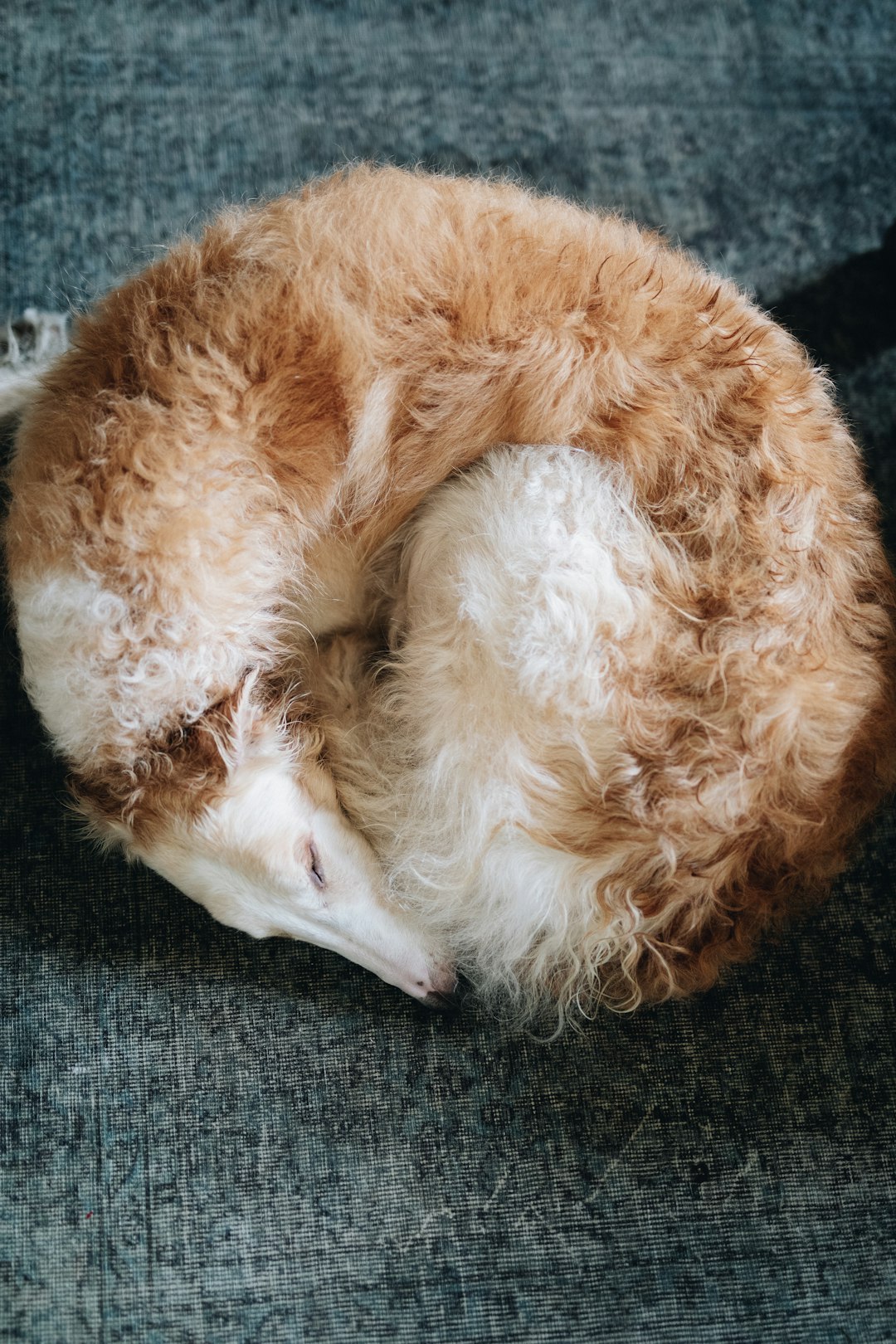
Cockapoos are a delightful crossbreed between a Cocker Spaniel and a Poodle, renowned for their wavy and curly coats. Their size varies depending on whether the Poodle parent was standard, miniature, or toy. Typically, they stand between 10 to 15 inches tall and weigh anywhere from 12 to 24 pounds. Additionally, Cockapoos are available in various colors, including black, cream, chocolate, and apricot. Their charming appearance, combined with lovable personalities, makes them a popular choice among dog enthusiasts.
Temperament of a Cockapoo puppy
When it comes to temperament, the Cockapoo puppy often embodies a gentle and friendly demeanor. These dogs are known for their sociability, making them excellent companions for families and individuals alike. They tend to be eager to please, which is beneficial during training sessions. Furthermore, Cockapoos are generally intelligent and adaptable, allowing them to fit seamlessly into different lifestyles. Early socialization and consistent training are crucial in nurturing their naturally affectionate nature and ensuring they grow into well-mannered adults.
Common health concerns
While Cockapoos are generally healthy, they may inherit health issues from their parent breeds. Common concerns include hip dysplasia, ear infections, and eye disorders. Regular vet check-ups and responsible breeding practices can minimize these risks. Additionally, be vigilant about their diet, exercise, and grooming to maintain their overall health. Understanding these potential health concerns prepares you for a smoother transition as your Cockapoo puppy to dog journey unfolds.
The Importance of Training
Training your Cockapoo is essential in ensuring that your furry friend transitions smoothly from Cockapoo puppy to dog. Proper training lays the foundation for good behavior, safety, and an enjoyable companionship. As a highly intelligent and eager-to-please breed, Cockapoos thrive when they engage in structured training. It helps establish clear communication between you and your dog while fostering mutual respect.
Basic commands every Cockapoo should know
Mastering basic commands is vital for your Cockapoo’s development. Start with essential cues like “sit,” “stay,” “come,” and “leave it.” These commands are not only practical for daily life but also beneficial for safety, especially during outdoor activities. By teaching your puppy these commands early, you instill a basis for more complex behaviors in the future.
Positive reinforcement techniques
Utilizing positive reinforcement techniques can make training enjoyable for both you and your Cockapoo. Rewarding your puppy with treats, praise, or playtime when they successfully follow commands encourages repetition of desired behaviors. Avoid negative methods, as they can hinder your dog’s confidence and complicate the training process.
Setting a training schedule
Creating a consistent training schedule is crucial in establishing routines. Short, frequent sessions are more effective than long, sporadic ones. Aim for at least 10-15 minutes daily, incorporating practice into your regular activities. Consistency not only helps your Cockapoo learn faster but also strengthens the bond between you, making the journey from Cockapoo puppy to dog a rewarding experience.
Socialization: Key to a Well-Behaved Dog
Benefits of early socialization
Socialization is crucial for establishing your Cockapoo’s temperament. Early exposure to a variety of people, pets, and environments helps your puppy develop confidence and adaptability, significantly reducing the chances of fear-based behaviors in adulthood. When your Cockapoo transitions from puppyhood to a full-fledged dog, being well-socialized allows for better integration into various situations, minimizing potential anxiety or aggression.
Ways to introduce your puppy to new experiences
Introducing your Cockapoo to new environments and experiences is both enjoyable and educational. Start by inviting friends and their pets over for playdates, taking your puppy to pet-friendly cafes, or simply walking in different neighborhoods. Encourage your puppy to explore diverse textures, sounds, and sights, which are all essential to shaping their understanding of the world around them. Gradually expose them to various stimuli, ensuring each experience is positive and rewarding to build their confidence.
Handling interactions with other dogs
Interactions with other dogs are a fundamental aspect of socialization. Supervised play sessions can be instrumental in teaching your Cockapoo how to communicate effectively with canine companions. During these interactions, monitor their body language and behavior closely. If you notice signs of stress or aggression, calmly intervene and redirect their attention. Gradually increase the complexity of these interactions as your puppy learns to navigate social cues, ensuring they grow into a well-adjusted Cockapoo puppy to dog.
Creating a Comfortable Home Environment
Creating a nurturing and comfortable home environment is crucial for your Cockapoo puppy’s development into a well-behaved dog. By providing the right atmosphere, you encourage positive behavior and emotional stability.
Essential supplies for your Cockapoo puppy
To start, equip your home with essential supplies tailored for your puppy’s needs. Invest in high-quality food and water bowls, a cozy bed, and a variety of toys that stimulate both physical and mental exercise. Additionally, don’t forget to acquire proper grooming tools to maintain your Cockapoo’s distinctive coat. A comfortable harness and leash also play vital roles in early training sessions, ensuring your puppy feels secure during walks.
Safe spaces for your dog
Furthermore, designating safe spaces for your Cockapoo is fundamental to their comfort. Create a specific area, like a cozy corner or a designated crate, where your puppy can relax and retreat when feeling overwhelmed. This space provides a sense of security and encourages independence. Make sure to puppy-proof your home, removing hazards and providing secure storage for items that could pose dangers, like cleaning supplies or electrical cords.
Establishing routines and boundaries
Lastly, establishing routines and boundaries will foster a sense of stability for your budding canine companion. Dogs thrive on consistency, so set regular feeding, walking, and playtime schedules. Also, help your Cockapoo understand acceptable behaviors by setting clear boundaries. Communicate these rules consistently to ensure your puppy develops a strong understanding of household expectations. This consistency is key in the journey of transitioning from Cockapoo puppy to dog, promoting a well-mannered pet as they grow.
Nutrition for Your Cockapoo’s Growth
Choosing the right food for puppies
When it comes to raising a Cockapoo puppy to dog, selecting the right food is crucial for their development. Puppies have unique nutritional requirements that differ from adult dogs. Look for high-quality puppy food formulated specifically for small to medium breeds. This type of food typically contains a balanced blend of protein, fats, vitamins, and minerals that promote healthy growth and development. The ideal ratio is typically around 22-32% protein and 8-20% fat, ensuring your puppy gets the energy they need for daily play and growth.
Transitioning to adult dog food
Once your Cockapoo reaches around 12 months of age, it’s important to think about transitioning them to adult dog food. Gradual transitions can help prevent stomach upset. Start by mixing a small amount of adult food with their puppy food, slowly increasing the adult proportion over several days. This method will ease your pet’s digestive system into the new food. Remember to monitor their weight and adjust the feeding amount according to the guidelines provided by the food manufacturer.
Monitoring dietary needs as they grow
As your Cockapoo matures, maintaining close attention to their dietary needs remains essential. Factors such as activity level, age, and overall health play significant roles in determining the right amount of food. Regularly evaluate their body condition; if they appear too thin or overweight, adjust their diet accordingly. Additionally, ensure fresh water is always available to keep your puppy hydrated. Good nutrition sets the foundation for a happy, healthy adult dog, making it a crucial aspect of your dog’s early life stages.
Health Checkups and Preventive Care
Regular vet visits for your Cockapoo puppy
Regular veterinary visits are crucial for ensuring that your Cockapoo puppy grows into a healthy, happy dog. Typically, you should schedule these checkups every three to four weeks during the puppy’s first six months. Accordingly, your vet can monitor growth and development while addressing any potential health concerns. Early detection and intervention are vital, as many health issues can be easily treated when caught early on.
Vaccination schedules and their importance
Vaccinations play a significant role in your puppy’s overall health. Creating a vaccination schedule with your veterinarian helps ensure that your Cockapoo puppy receives necessary immunizations to protect against diseases like parvovirus, distemper, and rabies. Generally, the first vaccines are given at six to eight weeks of age, followed by booster shots every few weeks until about 16 weeks old. Staying on top of these vaccinations not only safeguards your puppy’s health but also reduces the risk of outbreaks and transmission among other dogs.
Dealing with common health issues
As your Cockapoo transitions from puppy to dog, they may encounter various common health issues. Some of these may include ear infections, allergies, or hip dysplasia. Regular checkups can help identify these conditions early on, ensuring that appropriate treatment is implemented. Additionally, by discussing any signs of discomfort, such as scratching or limping, with your veterinarian, you can take preventive measures to keep your furry friend in good shape. Early awareness and care are essential in fostering a long, healthy life for your beloved Cockapoo.
Exercise: Keeping Your Cockapoo Active
Daily Exercise Requirements for Puppies
Cockapoo puppies are energetic, playful, and eager to explore their surroundings. To ensure a smooth transition from Cockapoo puppy to dog, it’s essential to establish a daily exercise routine. Ideally, your puppy should engage in at least 30 to 60 minutes of exercise each day, tailored to their age and energy level. This can include playtime in the yard or short walks around the neighborhood. Regular physical activity helps your puppy develop strong muscles, maintain a healthy weight, and fosters a bond between you and your furry friend.
Fun Activities to Engage Your Dog
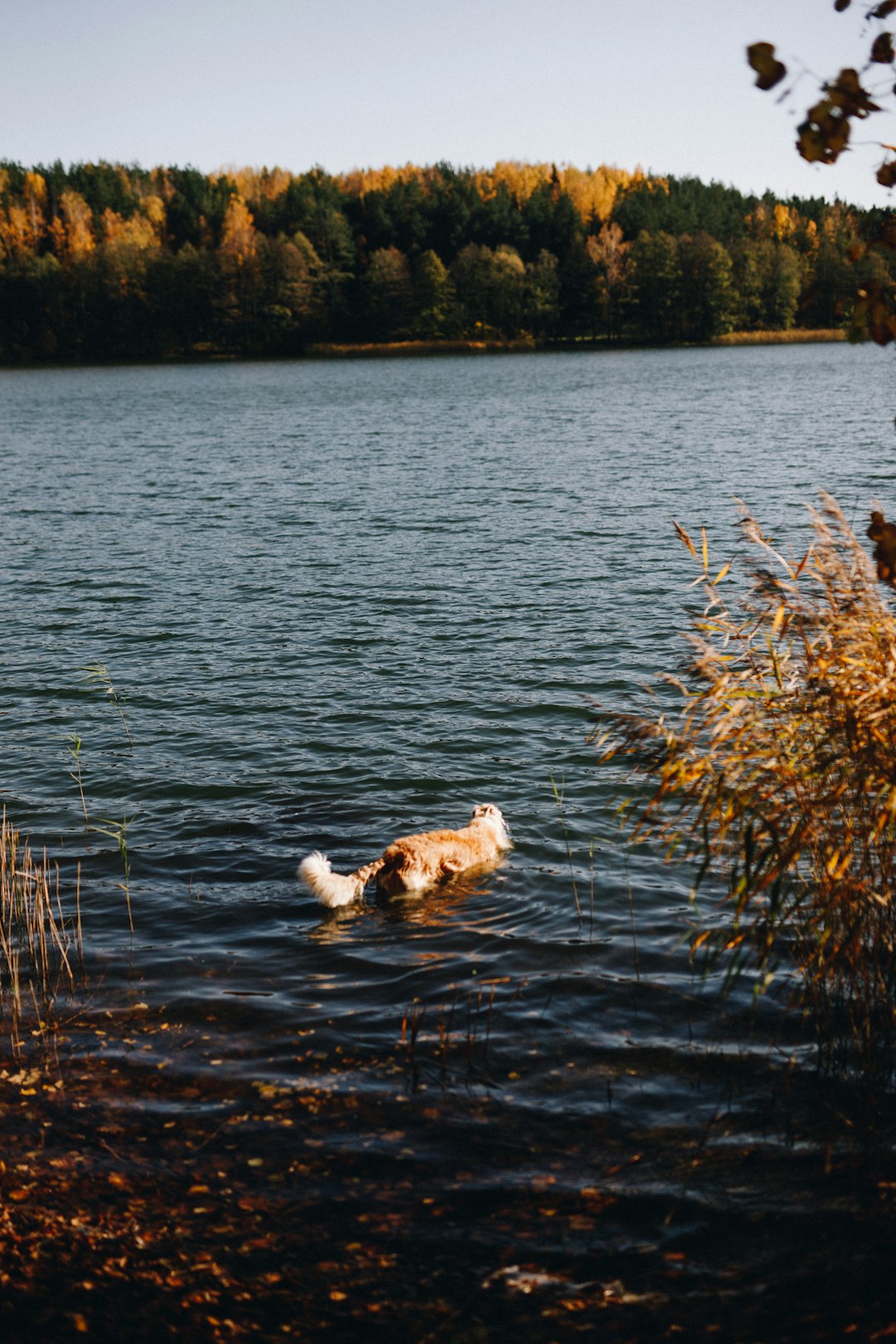
Keeping your Cockapoo engaged during exercise can make a significant difference in their development. Encouraging play through interactive toys, fetch, or even agility courses stimulates their mind and body. Participating in dog-friendly activities, such as swimming or hiking, can be exciting and challenging for your puppy. Consider enriching games like hide-and-seek or scent work to tap into their natural instincts, making exercise enjoyable and mentally satisfying.
Benefits of Outdoor Adventures
Outdoor adventures provide Cockapoos with the perfect opportunity to discover new sights, sounds, and smells, which are crucial for their overall development. These experiences not only improve their physical health but also help build confidence and social skills. Regular outdoor exercise can reduce behavioral issues stemming from boredom, such as chewing or excessive barking. Therefore, incorporating outdoor activities into your routine will ensure a happy and well-adjusted Cockapoo as they transition from puppyhood to adulthood.
Grooming Your Cockapoo Through the Stages
Bathing and brushing tips
Grooming your Cockapoo is essential for maintaining its health and well-being as it transitions from Cockapoo puppy to dog. Start with bathing your puppy every 4 to 6 weeks, using a gentle dog shampoo that is free of harsh chemicals. When it comes to brushing, introduce your pet to this routine early on; try to brush their coat at least two to three times a week. This not only helps reduce tangles and mats but also draws out loose hair and encourages a shiny coat. Use a slicker brush for the outer coat and a pin brush to reach the undercoat.
Dealing with shedding
While Cockapoos are known for their low-shedding coats, they still require attention to manage any loose hair effectively. Pay close attention to the shedding cycle, particularly during seasonal changes. Regular grooming not only minimizes the amount of hair in your home but also keeps your dog’s coat healthy. Remember to vacuum often and consider investing in a high-quality lint roller to easily pick up stray hair from clothing and furniture.
Professional grooming options
As your Cockapoo matures, you may want to explore professional grooming services. Many owners opt for grooming sessions every 6 to 8 weeks, especially to maintain a neat coat with various styles that can be tailored to your preference. Professional groomers can trim and style the coat appropriately, making it easier for you to manage between appointments. Additionally, they can check for skin issues while grooming, ensuring your Cockapoo remains healthy throughout its life.
Instilling Good Behavior Habits
Understanding puppy behavior
Cockapoo puppies are known for their playful and curious nature. It’s essential to understand that their temperament can be influenced by various factors, including genetics, socialization, and environment. When transitioning from a Cockapoo puppy to dog, observe their body language and reactions in different situations. By recognizing signs of excitement, fear, or anxiety, you can tailor your training approach to meet their needs, ensuring a harmonious relationship as they mature.
Correcting bad habits early
Addressing unwanted behaviors promptly is crucial for developing a well-mannered dog. Bad habits, such as excessive barking or chewing on furniture, can easily escalate if not managed early. Utilize consistent commands and redirect their attention towards acceptable behaviors. For instance, if your Cockapoo engages in destructive chewing, provide appropriate chew toys as alternatives. Remember, patience is key; correcting these behaviors requires time and consistency to ensure your puppy learns what is acceptable and what is not.
Reinforcing positive behavior
Encouraging and rewarding good behavior helps establish a strong foundation for your Cockapoo’s development from a puppy to a well-behaved dog. Utilize treats, praise, or playtime as rewards when they exhibit desirable actions, such as sitting calmly or following commands. This positive reinforcement fosters a trust-based bond and encourages your Cockapoo to repeat those behaviors. Consistency in rewarding good habits creates a stable environment conducive to their growth and integration into your family life.
Transitioning from Cockapoo Puppy to Dog
Recognizing Developmental Milestones
As your furry friend evolves, it’s essential to recognize the pivotal developmental milestones that signal the transition from a Cockapoo puppy to dog. Puppies typically go through various stages of growth, including the crucial socialization period which occurs between three and fourteen weeks. During this time, exposing your puppy to different people, other pets, and various environments helps foster a well-adjusted adult dog. Pay attention to their energy levels and behaviors; a happy and curious puppy is likely developing into a confident dog.
Adapting Training as Your Dog Matures
Training techniques should evolve alongside your pet’s development. While young puppies thrive on basic commands and fun, older dogs may respond better to structure and consistency. It’s vital to adapt your training methods to suit their maturity level. As your puppy matures, introduce more complex commands and tasks, reinforcing positive behavior with consistent rewards. This gradual escalation ensures that your Cockapoo remains engaged and eager to learn, promoting a harmonious relationship as they transition into adulthood.
Celebrating Your Dog’s Growth Journey
Every step of the way, don’t forget to celebrate the milestones. Whether it’s mastering a new command or successfully navigating interactions with other dogs, acknowledging these achievements can boost your dog’s confidence. Prepare small rewards or special moments for your canine companion to mark these occasions. Transitioning from a Cockapoo puppy to dog is an exciting journey filled with challenges and triumphs. Embrace each stage, and cherish the bond you are building together. This supportive atmosphere not only enhances your dog’s growth but also reinforces good behavior and a lasting partnership.
Frequently Asked Questions
What is the best age to start training my Cockapoo puppy?
The optimal age to start training your Cockapoo puppy is around 8 weeks old. At this age, puppies are highly receptive to learning and can absorb new commands and socialization experiences quickly. Early training is essential for establishing good behaviors and building a strong bond with your puppy. Focus on basic commands, house training, and socialization with other pets and people to lay a solid foundation for their future development.
How can I address behavioral problems in my Cockapoo?
Addressing behavioral problems in your Cockapoo requires patience, consistency, and positive reinforcement techniques. Start by identifying the specific behaviors that are problematic, such as excessive barking, biting, or aggression, and consider the triggers behind them. Consistency in training methods and immediate reinforcement when they exhibit positive behavior will help in shaping their habits. Seeking the help of a professional trainer can also provide tailored strategies to resolve these issues effectively.
What are some essential commands I should teach my Cockapoo?
Essential commands to teach your Cockapoo include ‘Sit’, ‘Stay’, ‘Come’, ‘Down’, and ‘Leave It’. These commands form the backbone of your dog’s obedience and can significantly enhance safety in various situations. Start with basic commands and gradually increase the complexity of tasks as your puppy learns. Use treats as rewards for successful completions, ensuring that the training sessions remain enjoyable and engaging for your puppy.
How much exercise does a Cockapoo need as a puppy?
A Cockapoo typically requires about 30 to 60 minutes of exercise each day, even as a puppy. This can include short walks, playtime in the yard, and interactive games like fetch. Exercise is crucial for their physical health and mental stimulation, reducing the likelihood of behavioral issues caused by boredom. Gradually increase the intensity and duration of exercise as your puppy grows older to match their energy levels.
What are some tips for socializing my Cockapoo puppy?
Socializing your Cockapoo puppy involves exposing them to various environments, people, and other animals in a positive manner. Start this process at an early age, ideally between 3 to 14 weeks, by arranging playdates with other well-behaved dogs, taking them to puppy classes, and gently introducing them to different sights, sounds, and smells. Ensure these experiences are pleasant to build confidence and reduce anxiety in new situations.